

Introduction
Gir National Park, located in Gujarat, India, is one of the most celebrated wildlife destinations in the country. Known for its rich biodiversity and thrilling safari experiences, Gir holds a unique distinction—it is the only natural habitat of the Asiatic Lion in the world. Every year, thousands of wildlife enthusiasts, photographers, and travelers visit Gir to witness these majestic big cats in their natural surroundings.
In this blog, we explore why Gir remains the last home of the Asiatic Lion, its conservation success story, and why a visit to Gir National Park should be on every wildlife lover’s bucket list.
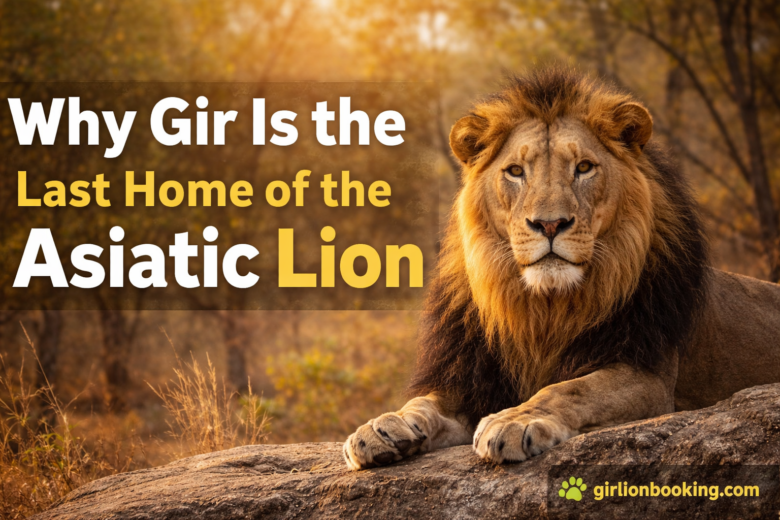
The Asiatic Lion: A Rare Wildlife Treasure
The Asiatic Lion (Panthera leo persica) once roamed across vast regions of Asia, including parts of the Middle East and northern India. However, due to excessive hunting, habitat destruction, and human encroachment, their population declined dramatically during the 19th century.
By the early 1900s, only a handful of Asiatic Lions survived in the Gir Forest. Recognizing the urgent need for conservation, the rulers of Junagadh and later the Government of India implemented strict protection measures. These efforts helped save the species from extinction.
Today, Gir National Park is the only place in the world where Asiatic Lions can be seen living freely in the wild.
Why Gir National Park Is Perfect for Asiatic Lions
Several factors make Gir an ideal habitat for Asiatic Lions:
1. Vast Forest Ecosystem
Gir covers a large area of dry deciduous forests, grasslands, and scrublands. This diverse landscape provides excellent shelter and hunting grounds for lions.
2. Abundant Prey Base
The park supports a healthy population of deer, antelope, wild boar, and other herbivores. This abundance of prey ensures a sustainable food source for the lion population.
3. Conservation Efforts
Continuous wildlife protection programs, anti-poaching measures, and habitat management have helped maintain a thriving lion population in Gir.
4. Community Participation
Local communities living around Gir have played an important role in conservation efforts. Awareness programs and eco-tourism initiatives have encouraged coexistence between humans and wildlife.
A Global Conservation Success Story
The recovery of the Asiatic Lion population is considered one of the world’s greatest wildlife conservation achievements. From fewer than 20 lions in the early 20th century, the population has increased significantly due to dedicated conservation measures.
Wildlife experts and conservationists often cite Gir as a model for successful species recovery. The park demonstrates how effective management and community support can help protect endangered wildlife.
Wildlife Beyond Lions
Although lions are the main attraction, Gir National Park is home to a wide variety of wildlife species, including:
- Leopards
- Striped Hyenas
- Golden Jackals
- Sambar Deer
- Chital (Spotted Deer)
- Nilgai
- Marsh Crocodiles
- More than 300 species of birds
This incredible biodiversity makes Gir a paradise for wildlife photographers and nature enthusiasts.
Best Time to Visit Gir National Park
The best time to visit Gir National Park is from December to March, when the weather is pleasant and wildlife sightings are frequent.
The park remains closed during the monsoon season, usually from mid-June to mid-October, to protect the ecosystem and ensure visitor safety.
Gir Safari Experience
A Gir Jungle Safari Provide visitors the opportunity to explore the forest in open vehicles accompanied by trained guides. Early morning and evening safaris provide excellent chances of spotting Asiatic Lions along with other wildlife species.
Popular safari zones feature dense forests, grasslands, and water bodies where animals often gather. Every safari is a unique experience, making Gir one of India’s most exciting wildlife destinations.
Why Every Wildlife Lover Should Visit Gir
Visiting Gir National Park is more than just a safari adventure. It is an opportunity to witness one of nature’s greatest conservation success stories. Seeing the Asiatic Lion in its natural habitat is a rare experience that cannot be replicated anywhere else in the world.
Gir combines thrilling wildlife encounters, scenic landscapes, rich biodiversity, and cultural heritage, making it a must-visit destination for travelers seeking an authentic wildlife experience.
Conclusion
Gir National Park stands as a symbol of hope for wildlife conservation. As the last natural home of the Asiatic Lion, it plays a critical role in protecting one of the world’s most iconic big cats. Through dedicated conservation efforts, community involvement, and sustainable tourism, Gir continues to thrive as a sanctuary for lions and countless other species.
Whether you are a wildlife enthusiast, photographer, or nature lover, a visit to Gir National Park promises unforgettable memories and a deeper appreciation for India’s incredible natural heritage.