
Links
Best Places To Visit Gujarat
Best Places to Visit in Gujarat
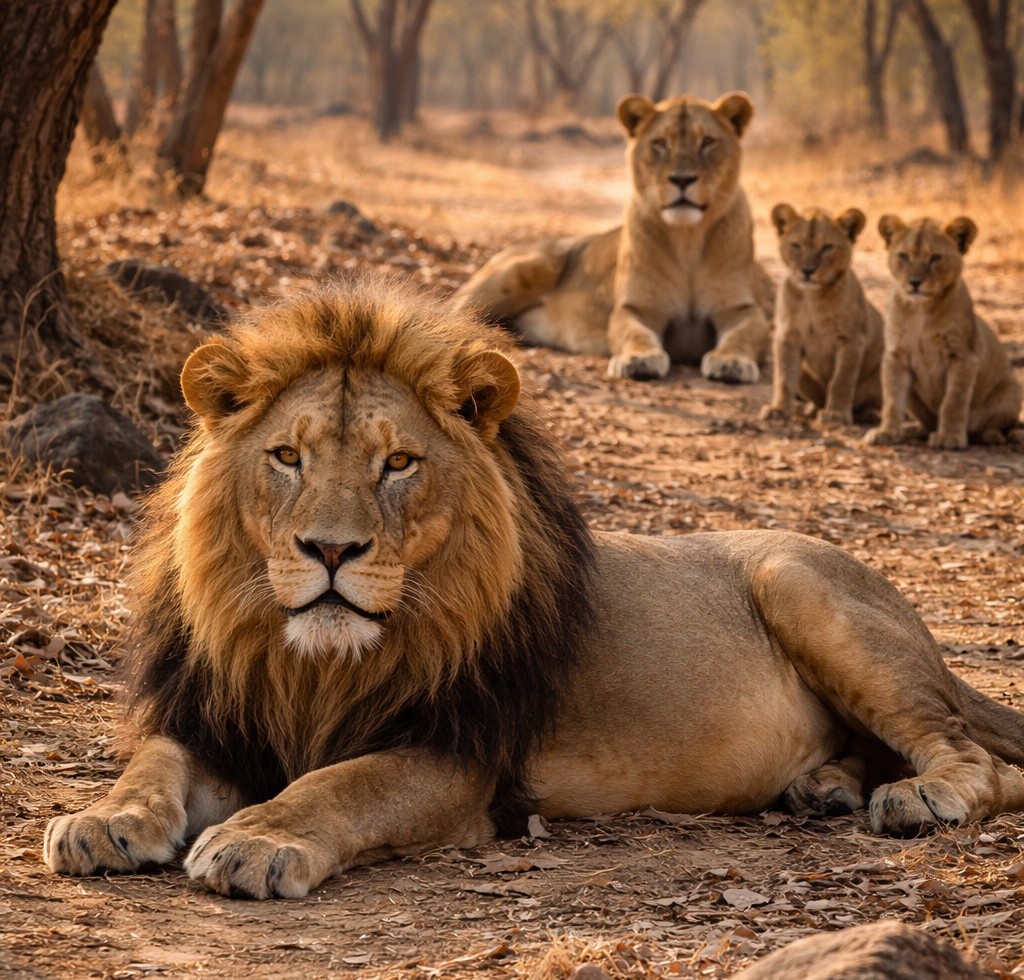
Gir National Park
Gir National Park, located in the Junagadh district of Gujarat, is one of India’s most iconic wildlife destinations and the only natural habitat of the Asiatic Lion in the world. The park’s landscape is a striking mix of dry deciduous forests, grasslands, rocky hills, and seasonal rivers, creating a rich ecosystem that supports diverse flora and fauna
Visitors can experience guided jeep safaris through designated zones, where sightings of lions, leopards, striped hyenas, jackals, sambar, nilgai, marsh crocodiles, and hundreds of bird species are possible. For travelers with limited time or during the monsoon season, Devaliya Safari Park (Gir Interpretation Zone) offers a controlled yet rewarding wildlife experience. Gir is not just a safari destination—it is a global symbol of successful wildlife conservation in India.
Somnath Temple
Somnath Temple is one of the most revered pilgrimage sites in India and holds immense religious significance as the first Jyotirlinga of Lord Shiva. Located along the Arabian Sea, the temple offers a powerful spiritual atmosphere enhanced by ocean views, rhythmic waves, and sacred rituals.
The temple’s history of destruction and reconstruction over centuries symbolizes resilience and unwavering faith. The evening aarti, temple illumination, and sound-and-light show narrating Somnath’s past leave a lasting impression on visitors. Somnath is not only a religious landmark but also a cultural and historical highlight of Gujarat tourism.

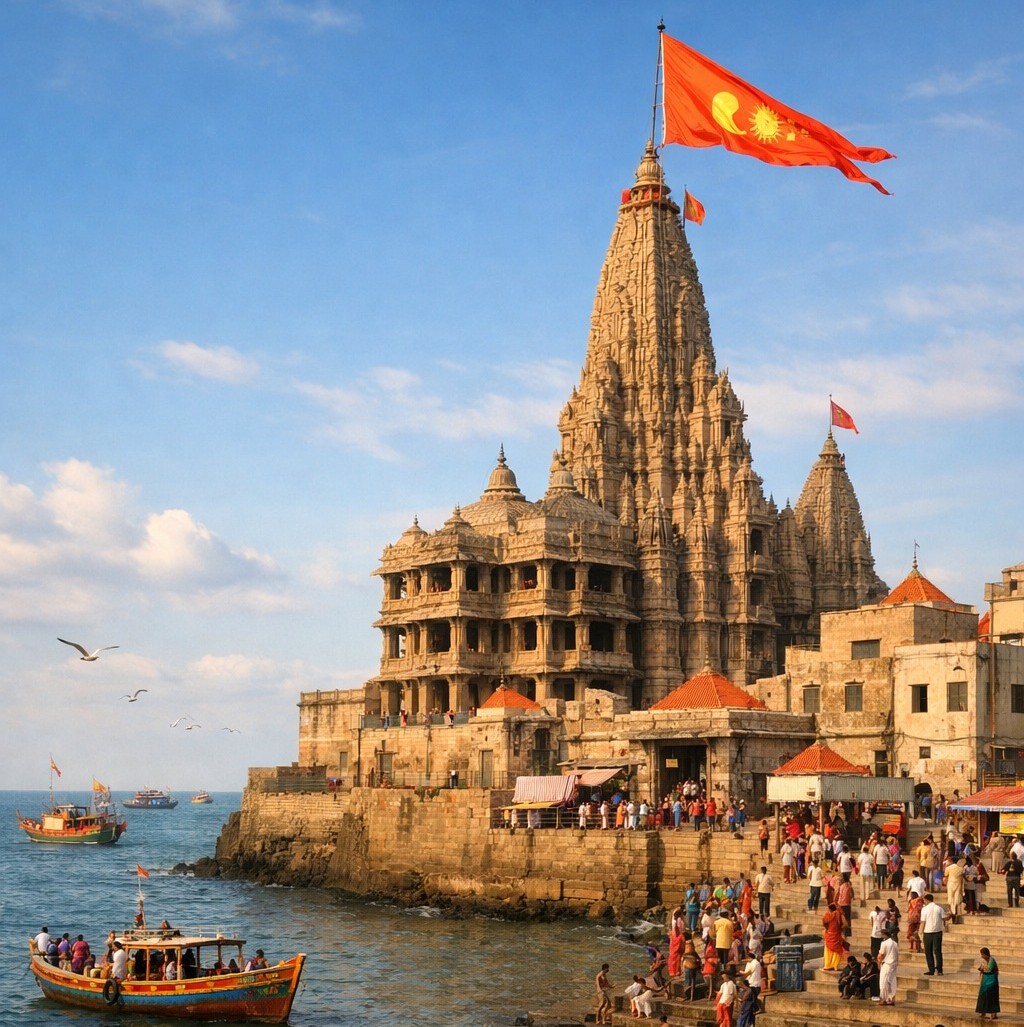
Dwarka
Dwarka is an ancient coastal city believed to be the legendary kingdom of Lord Krishna and is one of the four sacred Char Dham pilgrimage sites. The Dwarkadhish Temple stands at the heart of the city, drawing devotees from across India.
Rituals at Gomti Ghat, ferry visits to Bet Dwarka, and trips to the nearby Nageshwar Jyotirlinga create a spiritually fulfilling circuit. Beyond its religious importance, Dwarka offers serene beaches and a calm coastal environment, making it one of the most spiritually enriching places to visit in Gujarat.
Ahmedabad – UNESCO World Heritage City
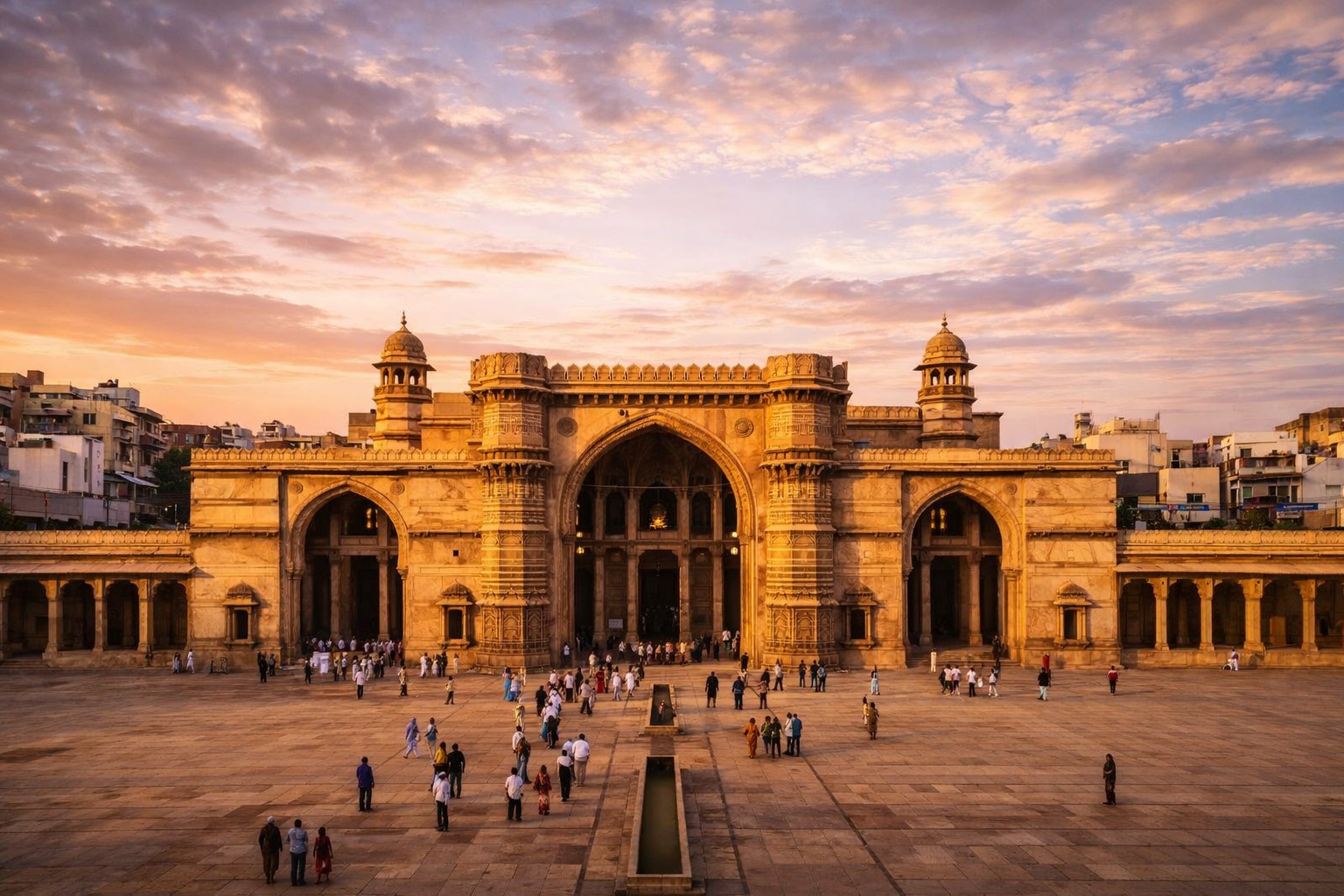
Ahmedabad is the cultural and historical capital of Gujarat and India’s first UNESCO World Heritage City. The city is famous for its centuries-old pol houses, stepwells, mosques, and architectural landmarks such as Sabarmati Ashram, Adalaj Stepwell, and Sidi Saiyyed Mosque.
Alongside its heritage, Ahmedabad showcases modern urban life through bustling markets, textile traditions, vibrant festivals, and renowned street food. The city offers a deep cultural immersion and is ideal for travelers interested in history, architecture, and local traditions.
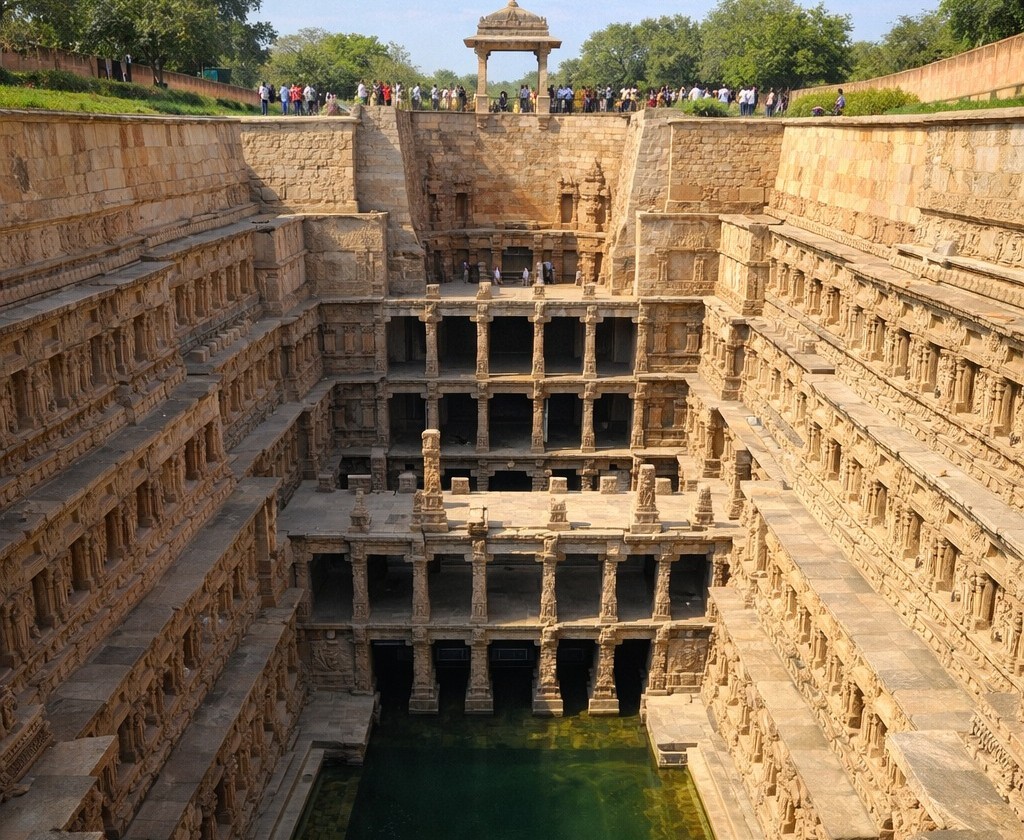
Patan – Rani ki Vav
Patan is globally recognized for Rani ki Vav, a UNESCO World Heritage Site and one of the most extraordinary stepwells ever built. Constructed during the Solanki era, the stepwell descends seven levels underground and features thousands of intricate carvings depicting Hindu gods, goddesses, celestial figures, and mythological narratives.
Rani ki Vav stands as a remarkable example of artistic brilliance and the advanced water-harvesting techniques of ancient India.A visit to Patan offers travelers a deep connection with Gujarat’s medieval heritage and craftsmanship.
Vadodara
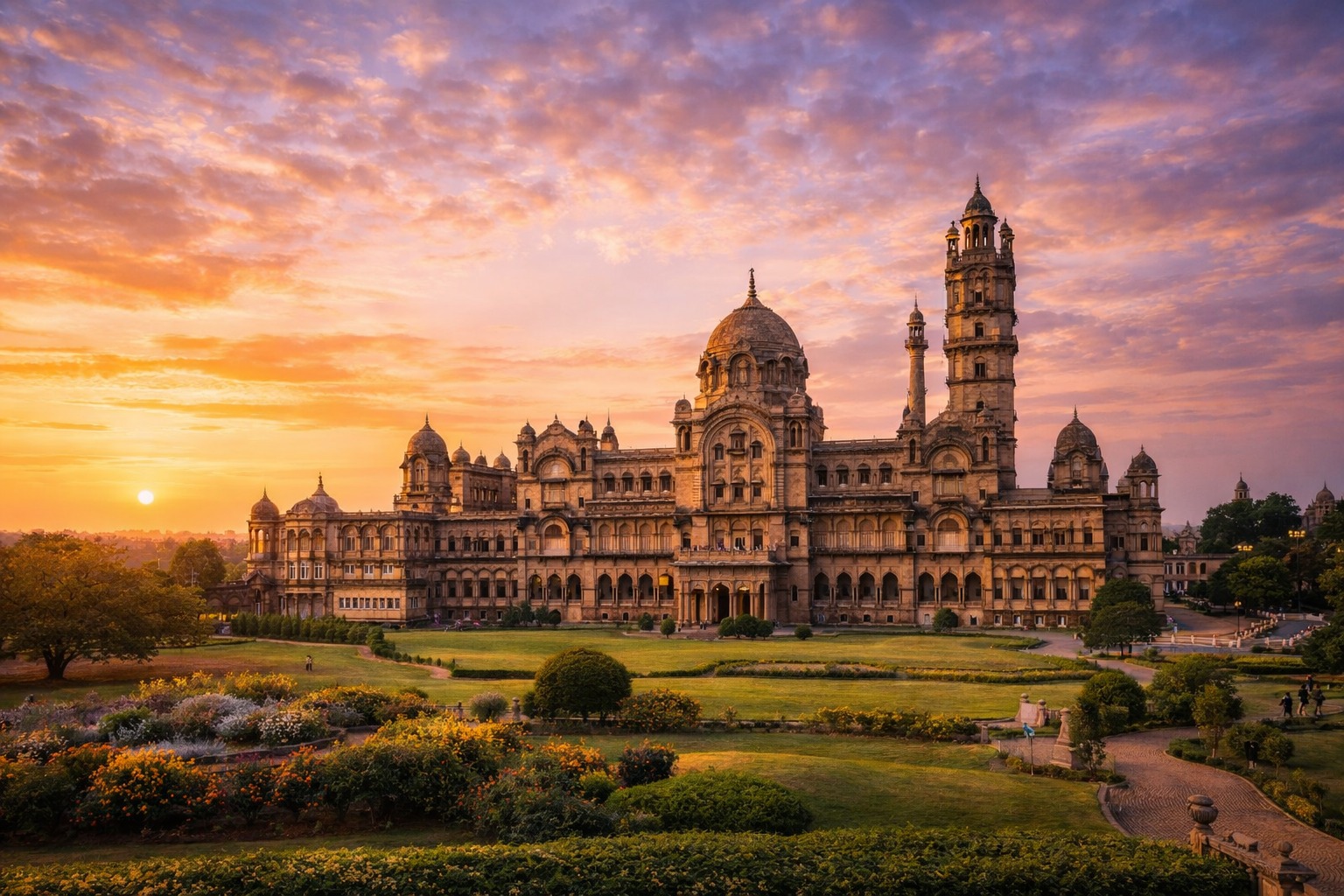
Vadodara is a culturally rich city shaped by the legacy of the Gaekwad dynasty. The magnificent Laxmi Vilas Palace, one of the largest private residences in the world, reflects royal grandeur and European-style architecture.
Vadodara is enriched by its museums, art galleries, scenic gardens, and long-standing tradition of education and learning. Vadodara’s Navratri celebrations are among the most famous in India, making it a key destination for cultural tourism in Gujarat.
Statue of Unity – Kevadia
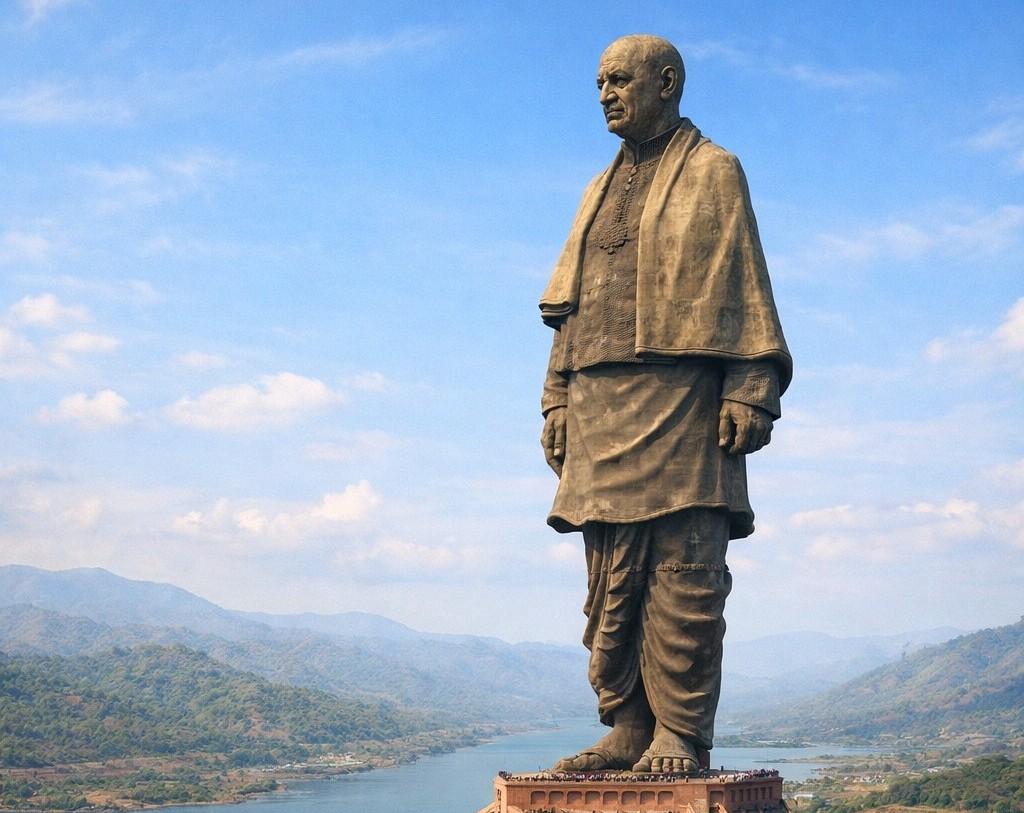
The Statue of Unity, built in honor of Sardar Vallabhbhai Patel, stands as the world’s tallest statue and is one of India’s most prominent modern tourist landmarks. Located near the Narmada River, the site has evolved into a comprehensive tourism zone.
Visitors can explore the observation deck, museums, riverfront promenades, jungle safari, eco-parks, and nearby attractions like the Valley of Flowers. Surrounded by hills and forests, the Statue of Unity combines history, nature, and modern infrastructure into a single destination.
Rann of Kutch
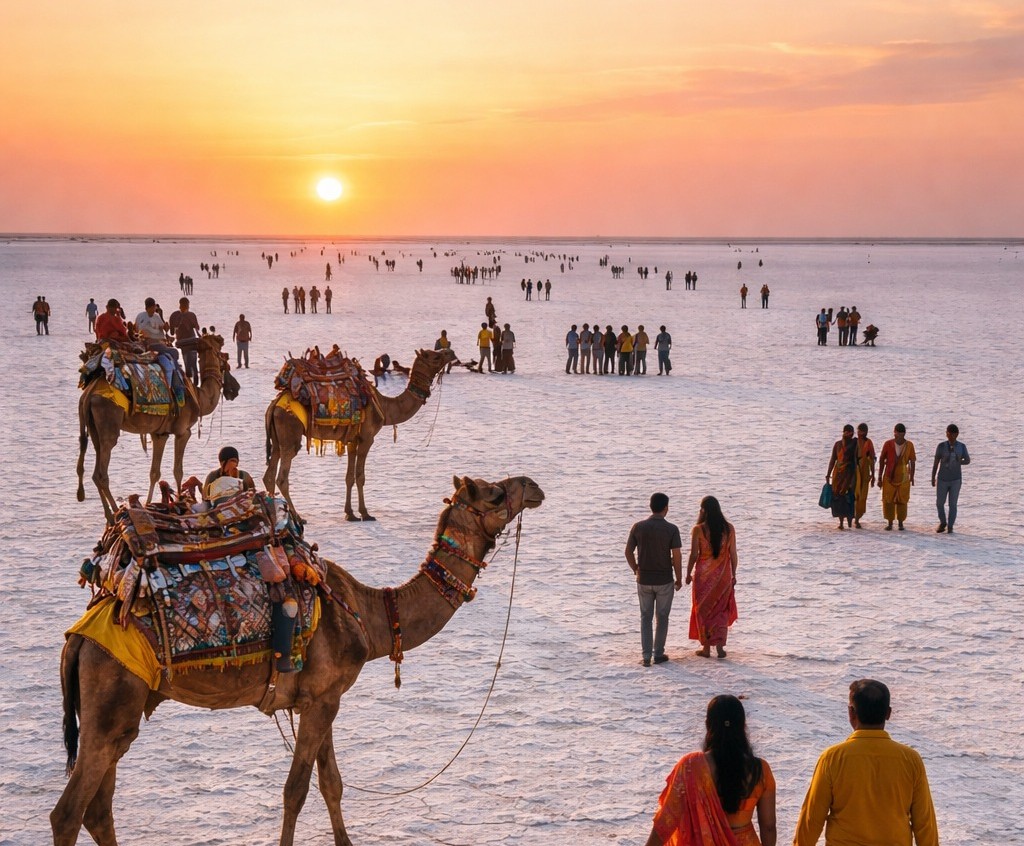
The Rann of Kutch is an expansive salt marsh that transforms into a breathtaking white landscape, creating one of the most extraordinary natural wonders in India. During the winter season, the region hosts the famous Rann Utsav, showcasing the vibrant culture of Kutch through traditional music, folk dances, handcrafted textiles, local art, and authentic cuisine. The serene beauty of the salt desert under starlit and moonlit skies, combined with village visits and artisan interactions, makes the Rann of Kutch a deeply immersive cultural and visual experience in Gujarat.
Saputara
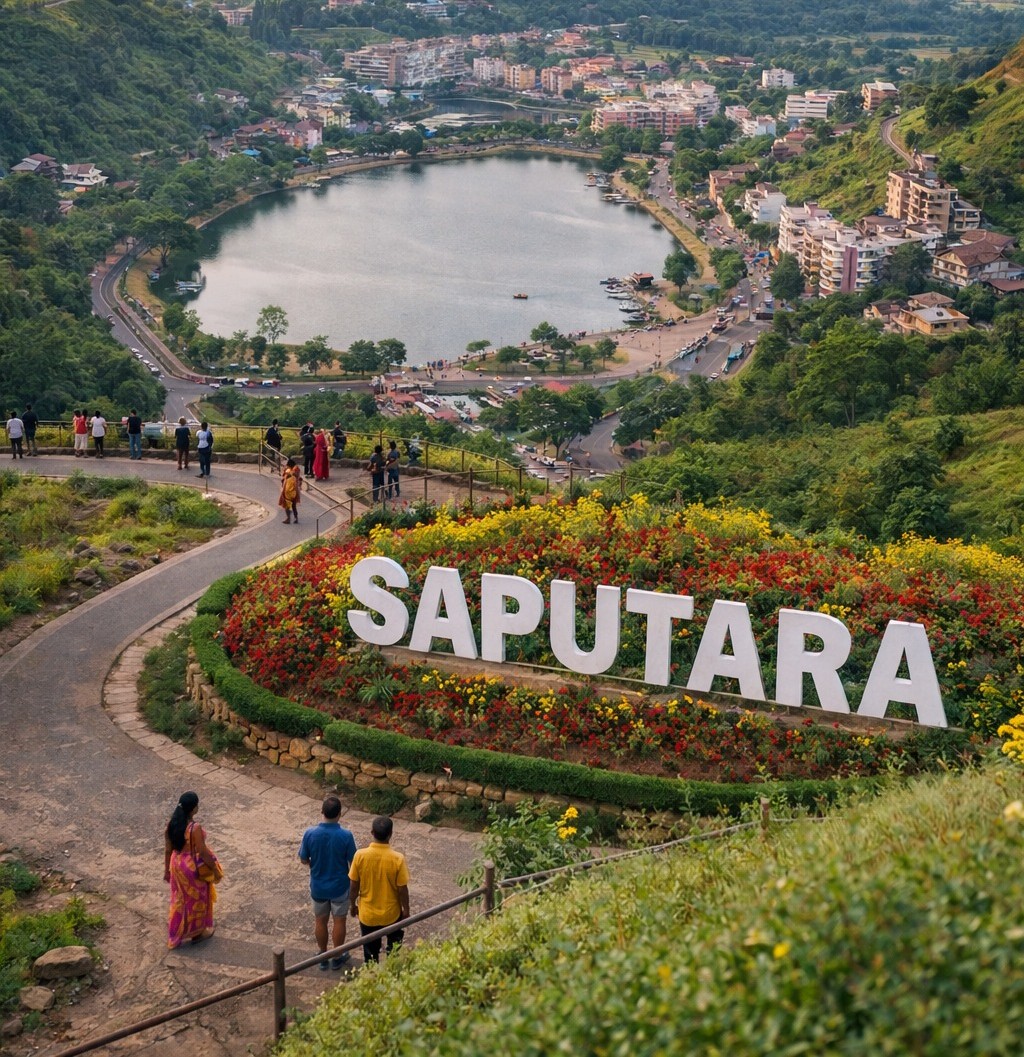
Saputara is the only hill station in Gujarat, nestled in the Sahyadri range close to the Maharashtra border. Known for its cool climate, misty mornings, waterfalls, and forested landscapes, Saputara provides a refreshing contrast to Gujarat’s plains.
Attractions such as Saputara Lake, Sunset Point, tribal museums, and botanical gardens make it a peaceful retreat for families, couples, and nature lovers, especially during summer and monsoon seasons.
Diu
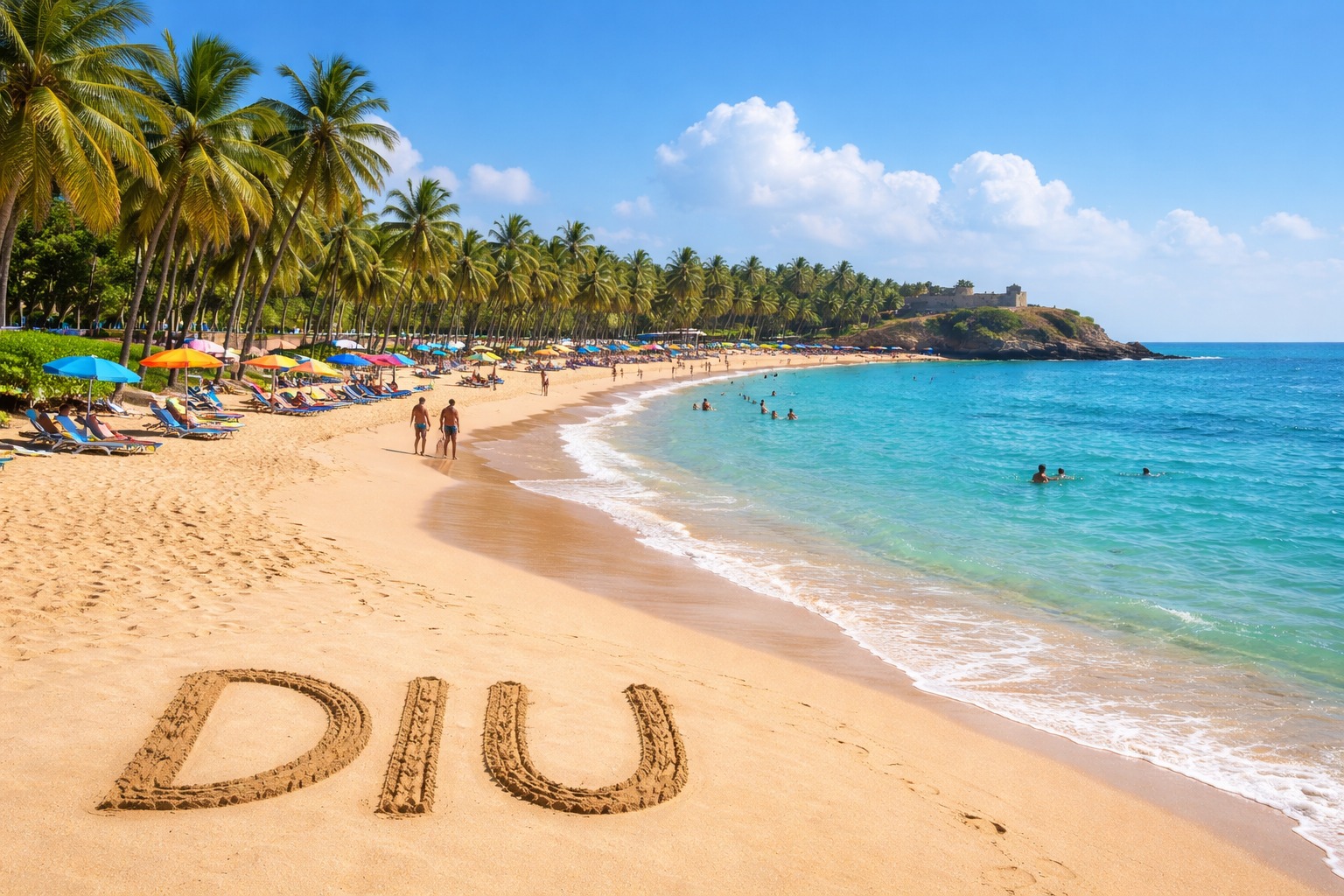
Diu is a quiet coastal town in Gujarat, known for its pristine beaches, Portuguese colonial heritage, historic forts, and charming churches—perfect for leisure and heritage tourism. The island’s relaxed atmosphere, scenic coastline, and architectural charm make it ideal for slow and peaceful travel.
Diu Fort, St. Paul’s Church, and Nagoa Beach highlight the region’s blend of history and natural beauty. It is perfect for travellers seeking beach relaxation with cultural depth.
Frequently Asked Questions
What are the best tourist places to visit in Gujarat?
Gujarat offers a wide range of tourist destinations including Gir National Park, Somnath Temple, Dwarka, Rann of Kutch, Ahmedabad, Statue of Unity, Vadodara, Patan (Rani ki Vav), and coastal destinations like Diu.
Which place in Gujarat is best for wildlife tourism?
Gir National Park is the top wildlife destination in Gujarat and the only place in the world where Asiatic Lions can be seen in their natural habitat. Other wildlife spots include Velavadar Blackbuck National Park and the Little Rann of Kutch
What are the best heritage and historical places in Gujarat?
Some of the best heritage places in Gujarat include Rani ki Vav in Patan, Champaner-Pavagadh Archaeological Park, Lothal, and historic sites in Ahmedabad such as Sabarmati Ashram and Adalaj Stepwell.
Is Gujarat suitable for family and religious tourism?
Yes, Gujarat is ideal for family and religious travel with famous pilgrimage sites like Somnath, Dwarka, Ambaji, Girnar, and Palitana, along with family-friendly attractions such as zoos, museums, and riverfronts.
What is the best time to visit Gujarat for sightseeing?
The best time to visit Gujarat is from October to March when the weather is pleasant and suitable for sightseeing, wildlife safaris, desert festivals, and coastal travel.
Which places in Gujarat are best for nature and scenic beauty?
Nature lovers can explore the Rann of Kutch, Girnar Hills, Saputara hill station, marine parks along the Gulf of Kutch, and bird sanctuaries like Nalsarovar for scenic and peaceful experiences.
How many days are enough to explore major tourist attractions in Gujarat?
A well-planned trip of 7 to 10 days is ideal to cover major attractions in Gujarat, including wildlife parks, heritage sites, religious destinations, and cultural experiences.
Which is the most sacred pilgrimage destination in Gujarat?
Somnath Temple, the first Jyotirlinga of Lord Shiva, is one of Gujarat's most sacred pilgrimage sites.
Is Ahmedabad a UNESCO World Heritage City?
Yes, Ahmedabad is India's first UNESCO World Heritage City.
What is Rani ki Vav and where is it located?
Rani ki Vav is a UNESCO-listed stepwell located in Patan, Gujarat.
What is the Rann of Kutch famous for?
It is famous for its vast white salt desert and the annual Rann Utsav festival.
Which is the only hill station in Gujarat?
Saputara is the only hill station in Gujarat.
What is special about Dwarka in Gujarat?
Dwarka is one of India's four Char Dham pilgrimage sites and is associated with Lord Krishna.
What is the Statue of Unity and where is it located?
The Statue of Unity, the world's tallest statue, is located in Kevadia, Gujarat.
What is Vadodara famous for in Gujarat?
Vadodara is known for the grand Laxmi Vilas Palace and its rich royal heritage.
What makes Diu a unique travel destination?
Diu is known for its beaches, Portuguese heritage, forts, and peaceful atmosphere.
Can I visit Gir National Park during monsoon season?
Yes, visitors can explore Devaliya Safari Park when the main park is closed during monsoon.
How many days are enough to explore Gujarat?
Around 8–10 days are ideal to cover Gujarat's major attractions comfortably.